
The Dimmitt’s Grove Neighborhood Association (DGNA) has just placed another six historical markers in the front yards of local homes. That brings the total to over 33. Ten more are in the works. Each sign contains information about when the house was built, the names of the first occupants, and other interesting facts about architectural style and history.
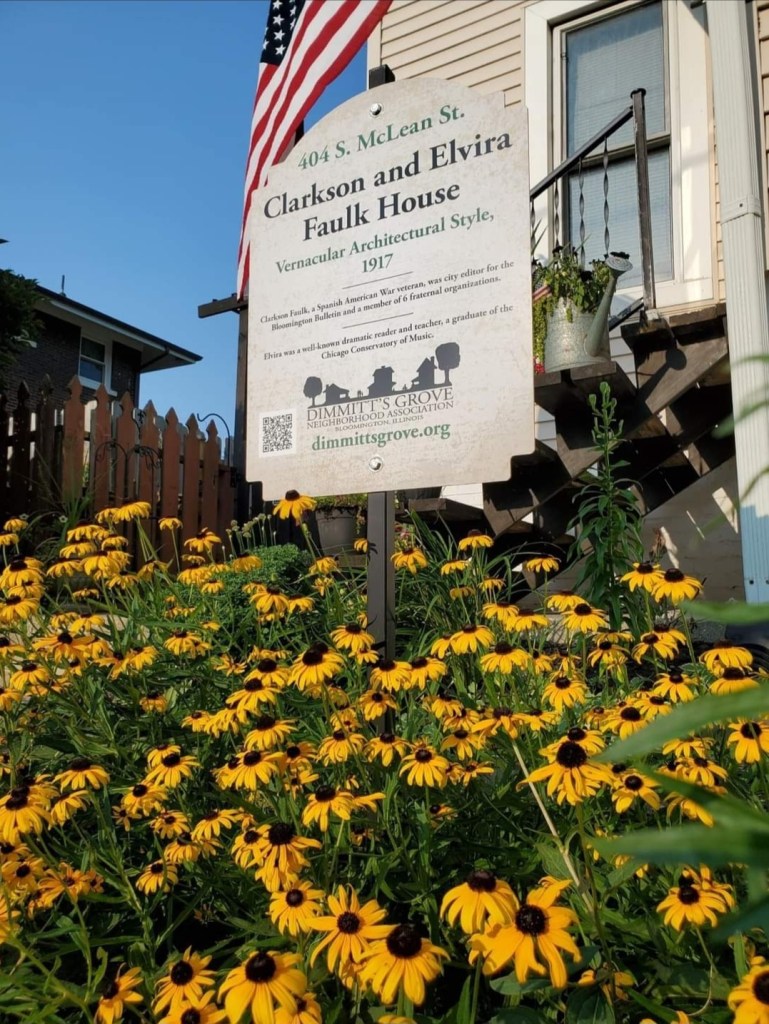
Importantly, all of these signs were created by the DGNA without the help of grants or outside money. The most recent batch of six signs costed just shy of $700 including labor, trailer rental, Quikrete, posts, bolts, and the custom printed metal signs.
These little placards are an indicators of people who care about their neighborhood and are willing enough to research and pay for their own signs. They are literal signs of life for current and potential revitalization efforts in the neighborhood.
Small signs of improvement like a smattering of historical placards on a block sends a psychological message to everyone who sees them. People are more likely to take pride in a place that has a rich history, evidenced with the fact that facades and front gardens of the homes with signs have improved over time. They also have a knock-on effect for other residents in the community, who see the signs and are inspired to do their own research into their homes. After the most recent set of signs were erected, ten more residents had contacted the neighborhood association on how they could obtain one for their own properties.
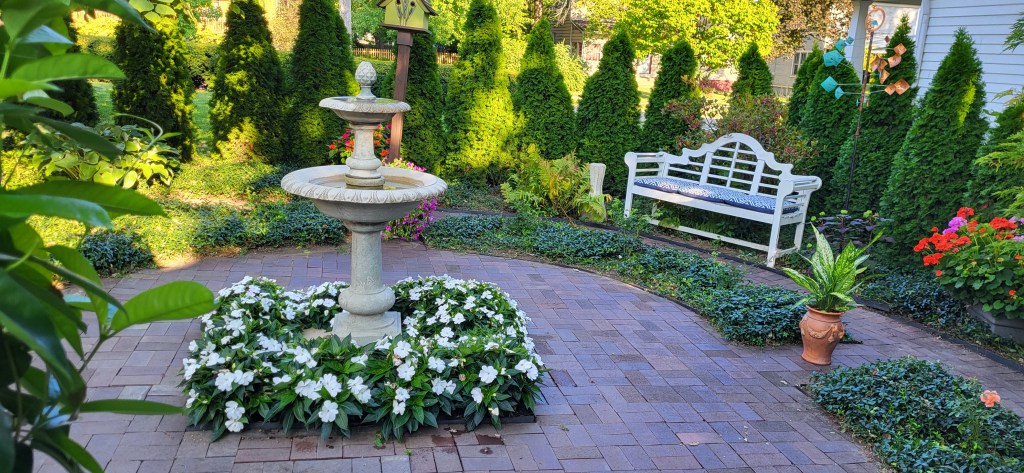
These incremental improvements to our neighborhood are exactly what Strong Towns argues for, because they are led from the bottom-up and require social capital to create them. The DGNA History Committee sat around a table in a member’s house teaching each other how to conduct research. Our neighborhood association then held a “Historic Walk Through Dimmitt’s Grove” garden tour the following week, selling over 70 tickets to raise for more signs. Neighbors admired the hard work that it took to research the signs, but also the commitment it took to create their unique gardens.


Other neighborhoods should take Dimmitt’s Grove as an example and copy their low-stakes efforts in revitalization. Also, projects like these energize neighbors to take on larger projects like neighborhood entrance signs and even block improvements like the Oswego Renaissance Association’s Block Challenge.
To learn more about our work with neighborhood associations, please visit our Neighborhood page.
If you are interested in starting your own Neighborhood Association in Bloomington, fill out this form:
Discover more from Strong Towns Blono
Subscribe to get the latest posts sent to your email.
 Strong Towns Blono