By: Quinlan Tisdale, Secretary
Since the pandemic left office buildings empty all across the country, adaptive reuse has become a popular method for cities to increase housing stock quickly and cheaply. Instead of building houses from scratch, adaptive reuse renovates unused or underused buildings to serve a new purpose.
The housing crisis is in full swing, and Bloomington-Normal needs more housing fast. There are two main ways to incentivize adaptive reuse projects: Removing legal barriers, and giving money to adaptive reuse projects. Both ways have highly successful examples to draw inspiration from.
Removing Legal Barriers
It’s free and can be done as fast as you can pass an ordinance. Removing or relaxing zoning laws, some building codes, and streamlining the review/permitting process. These little barriers don’t seem like much, but removing some can have huge impacts for prospective developers. It also makes intuitive sense, since many older buildings were built before today’s standards, and may be especially costly to make compliant during renovations.
Of course, certain codes are there for a reason, so this should be done with nuance. Important fire and safety codes should be kept. It’s also important to keep ADA compliance in mind, especially looking at the Downtown Bloomington area. It has many building entrances that can be brought up to modern accessibility standards with relative ease.
One of the biggest success stories with this method is the city of Los Angeles. Effective 2001, LA put an ordinance in place loosening zoning restrictions on adaptive reuse projects. Any adaptive reuse project can apply to be exempted from many zoning restrictions, including rules related to building height, parking spaces, and floor area.
This ordinance applied only to LA’s downtown area, but in the 23 years since it started, the ordinance has enabled the creation of over 12,000 housing units. The policy is so successful, the LA city government is now expanding the ordinance to the entire city.
Giving Money to Adaptive Reuse Projects
Many city governments already spend money to build and subsidize newly-built housing. This can be another type of project the city spends on, but we get a better bang for our buck. Adaptive reuse projects are generally cheaper per square foot than new construction, though there are exceptions.
Rushville, IN is a rural town with a population around 6000. The town has used small bets on adaptive reuse to great effect. It started in 2005 when it gathered money from a mix of individuals, businesses, and city funds to build a concert stage in an underused park.
Continued efforts over the years earned the city recognition and resources from broader state and private funds. This has led to an explosion of adaptive reuse projects, including The Campaign Flats and the Campaign Quarters, which respectively added 7 and 19 housing units to the small downtown.
Thoughts on Bloomington
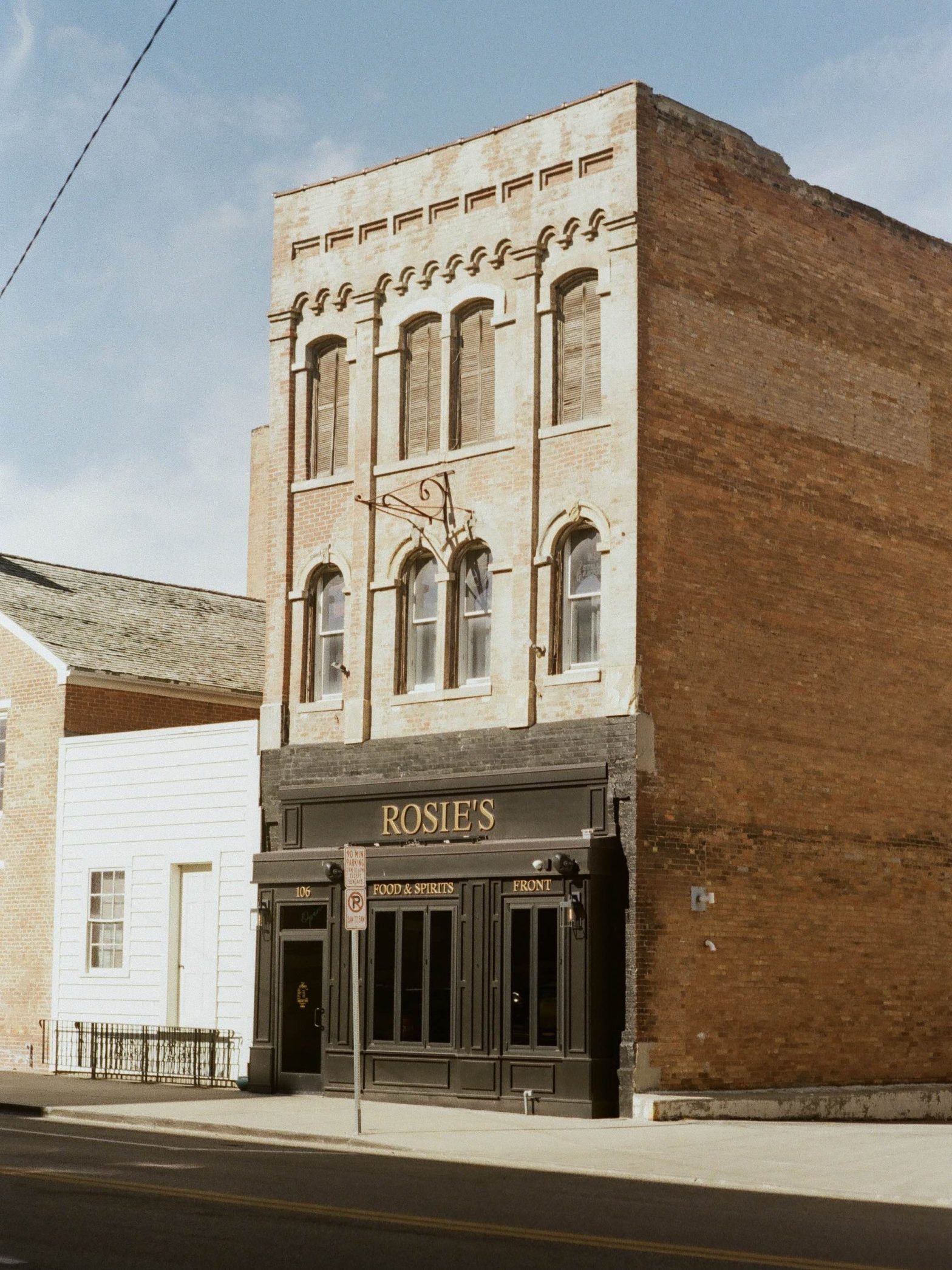
With the Downtown Streetscape redesign coming, we should think about how the buildings on those streets will be upgraded too. The city has begun taking steps in the right direction, such as the relaxation of parking minimums this year. In the downtown area, small businesses occupy the ground floor, but there are many upper floors sitting dormant. We have a huge opportunity to activate them and grow the economy in the heart of our city.
Discover more from Strong Towns Blono
Subscribe to get the latest posts sent to your email.
 Strong Towns Blono